Aluminum Casting: Designing Lightweight Marine Components
How Accuracy Aluminum Castings Improve Efficiency in Marine Engineering
Accuracy light weight aluminum spreadings play a crucial function ahead of time aquatic engineering. Their lightweight nature contributes to boosted gas performance and ability to move in vessels. On top of that, the distinct buildings of aluminum boost deterioration resistance, making certain resilience in tough marine atmospheres. As the industry looks for ingenious options, understanding the details applications and benefits of these castings comes to be vital. The exploration of their effect on structural honesty increases interesting questions regarding the future of maritime technology.
The Benefits of Aluminum in Marine Applications
Aluminum's light-weight nature presents significant advantages in aquatic applications - Aluminum Foundry. This feature results in boosted gas efficiency, enabling vessels to travel faster and consume less fuel, which is crucial in the affordable marine industry. In addition, the minimized weight contributes to boosted maneuverability and security, essential for different aquatic procedures
Rust resistance is another essential benefit of light weight aluminum, especially in saltwater environments. This residential or commercial property prolongs the life-span of marine elements, reducing upkeep expenses and downtime. Additionally, light weight aluminum's capability to be easily formed into complicated forms enables ingenious styles that enhance performance and performance.
The material's recyclable nature straightens with sustainability initiatives in the aquatic market, advertising eco pleasant methods - Metal Casting. Generally, the combination of lightweight style, sturdiness, and versatility makes aluminum a preferred option for marine designers looking for to boost efficiency and effectiveness in their jobs
Understanding the Spreading Process
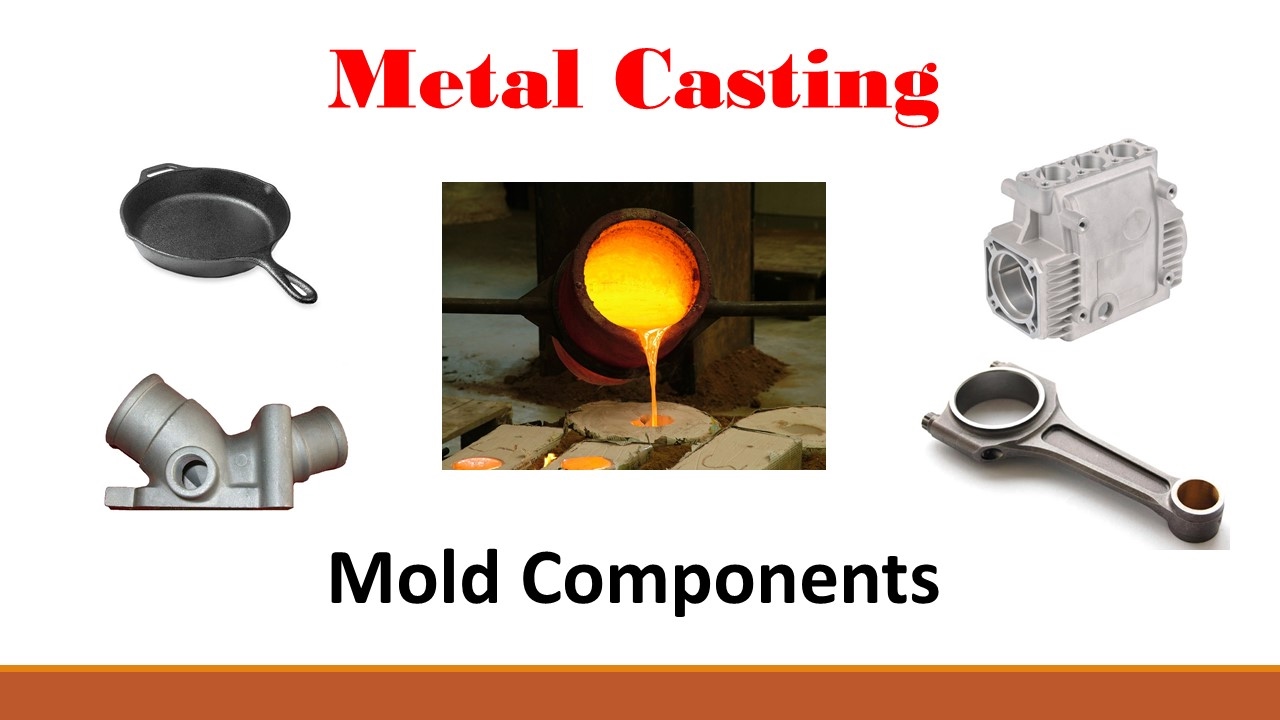
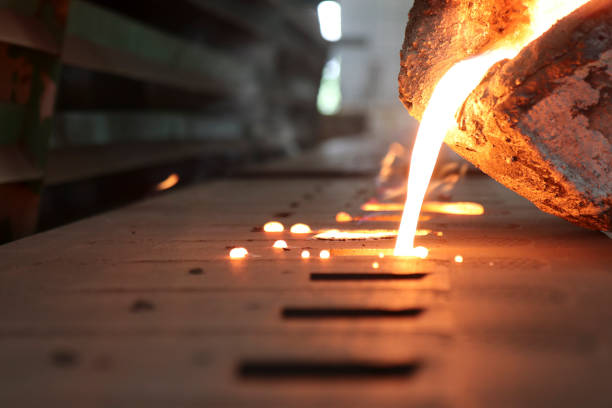
Throughout the spreading process, cautious temperature control is basic, ensuring the light weight aluminum stays in a fluid state until it loads the mold entirely. Cooling prices also greatly influence the microstructure of the cast aluminum, influencing its mechanical residential properties.
After solidification, the cast elements undergo different ending up processes to accomplish the wanted surface quality and dimensional precision. This meticulous interest to information assurances that the last products satisfy rigorous aquatic design standards, eventually boosting performance sought after environments.
Key Residence of Accuracy Light Weight Aluminum Castings
Accuracy aluminum castings possess a special combination of properties that make them highly important in aquatic design. One substantial property is their lightweight nature, which enables boosted gas efficiency and easier handling throughout setup. Additionally, aluminum exhibits exceptional deterioration resistance, specifically in aquatic environments where saltwater direct exposure prevails. This particular enhances the durability of elements, decreasing upkeep prices and downtime.
Precision aluminum spreadings supply high strength-to-weight proportions, making it possible for the construction of durable frameworks without unneeded mass. Their thermal conductivity is an additional benefit, permitting effective warm dissipation, necessary in applications such as engine parts. The capability to accomplish complicated geometries with precision spreading approaches likewise provides style flexibility, enabling engineers to tailor parts to details performance demands. Generally, these properties jointly add to the enhanced efficiency and dependability of aquatic design applications.
Applications in the Marine Market
Accuracy aluminum spreadings play an essential duty in the aquatic sector, especially in the production of engine parts. Their light-weight yet resilient nature additionally adds to ingenious hull framework styles, boosting general vessel performance. Furthermore, developments in casting technologies have actually led to enhanced propeller effectiveness, sustaining the demand for greater functional effectiveness in marine design.
Engine Components Manufacturing
Engine parts producing plays an important role in the marine sector, where reliability and efficiency are critical. Accuracy aluminum spreadings are increasingly made use of for producing critical engine parts, such as cyndrical tube manifolds, crankcases, and heads. These spreadings provide minimized weight contrasted to conventional products, boosting gas efficiency and general efficiency. The durability of aluminum warranties that parts can stand up to rough marine environments while keeping architectural stability. Furthermore, the production procedure permits for complex layouts that maximize air movement and thermal monitoring, important for engine effectiveness. As aquatic design advancements, the adoption of precision light weight aluminum spreadings in engine elements producing proceeds to offer considerable advantages, supporting the sector's need for technology and sustainability.
Hull Structures Design
While making sure safety and efficiency, hull frameworks layout plays a vital role in the marine industry, affecting the general efficiency and ability to move of vessels. Accuracy aluminum spreadings use considerable benefits in this location, allowing the creation of light-weight yet robust hulls. These castings enable intricate designs that boost hydrodynamic efficiency, lessening resistance and maximizing gas consumption. In addition, light weight aluminum's deterioration resistance adds to the durability of hull structures, lowering maintenance costs with time. The ability to create complicated geometries with accuracy spreading methods likewise assists in cutting-edge styles tailored to details marine applications. Subsequently, the assimilation of accuracy light weight aluminum castings in hull structures not just boosts operational abilities but also aligns with evolving sector criteria for sustainability and efficiency enhancements.
Propeller Performance Improvement
Enhancing Structural Integrity and Weight Decrease
In marine engineering, the strength-to-weight proportion of precision light weight aluminum castings plays a crucial function in boosting structural honesty while reducing general weight. This useful residential property allows for the design of lighter, extra effective vessels without compromising safety or performance. Additionally, aluminum's integral corrosion resistance additionally adds to the long life and reliability of marine applications.
Strength-to-Weight Proportion
The strength-to-weight proportion is an essential factor in aquatic design, where structural honesty must be balanced with weight effectiveness. Precision light weight aluminum castings provide considerable advantages in this respect, integrating the ability to endure high tension while maintaining a light-weight profile. This distinct property permits for the design of vessels and parts that are both robust and active, enhancing general efficiency. By using aluminum, designers can achieve excellent structural honesty without jeopardizing on weight, which is vital for fuel effectiveness and speed. Aluminum Foundry. Furthermore, a beneficial strength-to-weight proportion facilitates cutting-edge designs that might not be practical with much heavier products. Therefore, precision aluminum spreadings play a pivotal function beforehand aquatic design applications, ensuring toughness while minimizing excess weight
Corrosion Resistance Conveniences
Rust poses a considerable risk to aquatic structures, making corrosion resistance a vital consideration in product choice. Accuracy light weight aluminum castings show extraordinary resistance to deterioration, largely due to their natural oxide layer, which shields the underlying steel from severe marine atmospheres. This intrinsic property enhances the structural stability of marine components, guaranteeing long life and integrity. Furthermore, the light-weight nature of light weight aluminum permits much more reliable layouts without compromising toughness. By reducing the overall weight of structures, aluminum castings add to improved fuel performance and general performance. Therefore, the mix of rust resistance and weight decrease in precision aluminum spreadings places them as a perfect choice for aquatic engineering applications, inevitably bring about much safer and more lasting maritime operations.
Corrosion Resistance and Durability
Marine environments existing distinct obstacles for materials made use of in engineering, particularly concerning their resilience and resistance to degradation. Accuracy light weight aluminum castings are progressively identified for their exceptional rust resistance, which is vital in extending the lifespan of marine elements. The inherent buildings of aluminum, such as its capacity to develop a safety oxide layer, substantially improve its resilience against deep sea and various other destructive representatives.
Precision casting methods allow for the production of detailed designs and intricate forms, making best use of architectural honesty while decreasing product waste. This not just contributes to weight reduction-- a crucial aspect in aquatic applications-- yet also guarantees that the parts keep their mechanical residential properties over extended durations. The long life of light weight aluminum spreadings converts to lowered upkeep costs and boosted reliability, making them an advantageous selection for engineers. Inevitably, the mix of deterioration resistance and durability settings precision light weight aluminum castings as a basic element in progressing aquatic engineering options.
Future Trends in Marine Design With Aluminum Castings
As improvements in innovation proceed to reshape the landscape of marine engineering, precision aluminum spreadings are poised to play a critical function in future advancements. The promote lightweight materials that improve fuel effectiveness and decrease emissions drives the fostering of light weight aluminum spreadings in vessel layout. Developments in casting techniques, such as additive production and enhanced alloy formulations, are anticipated to yield components with superior complicated geometries and strength-to-weight ratios.
The combination of wise technologies, consisting of sensors and IoT abilities, into aluminum spreadings could assist in real-time monitoring of vessel performance and architectural integrity. This trend aligns with the raising emphasis on sustainability, as aluminum's recyclability and reduced energy intake throughout production add to eco-friendly efforts in aquatic engineering. As these patterns develop, precision light weight aluminum castings will likely become important to constructing extra effective, durable, and ecologically liable marine vessels for the future.
Regularly Asked Concerns
Exactly How Does Light Weight Aluminum Spreading Contrast to Various Other Products in Marine Applications?
Aluminum casting deals advantages such as light-weight homes, corrosion resistance, and ease of manufacture contrasted to products like steel and iron. These features make aluminum a beneficial selection in aquatic applications, improving durability and efficiency.
What Is the Cost Difference In Between Aluminum and Typical Marine Products?
The cost distinction in between light weight aluminum and traditional aquatic products usually favors aluminum, as it normally supplies a reduced first investment. Lasting upkeep and efficiency efficiencies can additionally turn the economic equilibrium in favor of aluminum.
Can Light Weight Aluminum Castings Be Recycled After Their Lifespan?
Yes, light weight aluminum spreadings can be reused after their life-span. This process conserves sources and minimizes ecological impact, making light weight aluminum a sustainable choice in numerous sectors, including aquatic engineering, where product durability and recyclability are vital.
What Safety Standards Relate To Aluminum Castings in Marine Design?
Security standards for light weight aluminum spreadings in aquatic design include ASTM specifications, ISO accreditations, and ABS guidelines. These ensure structural integrity, deterioration resistance, and compliance with environmental laws, improving safety and performance in aquatic applications.
Just How Do Climate Condition Affect Aluminum Spreading Performance mixed-up?
Climate condition substantially influence aluminum casting performance at sea. Factors such as temperature changes, moisture, and direct exposure to deep sea can bring about rust, material tiredness, and jeopardized architectural integrity, eventually influencing the dependability and durability of aquatic elements.
Accuracy light weight aluminum castings play a critical function in advancing aquatic design. Accuracy aluminum spreadings possess a special combination of properties that make them extremely beneficial in aquatic engineering. In marine design, the strength-to-weight proportion of accuracy light weight aluminum spreadings plays an important role in boosting architectural stability while decreasing overall weight. As developments in modern technology continue to improve the landscape of marine engineering, precision light weight aluminum castings are positioned to play a crucial duty in future advancements. The expense difference between aluminum and typical aquatic materials frequently prefers aluminum, as it generally offers a reduced preliminary financial investment.